
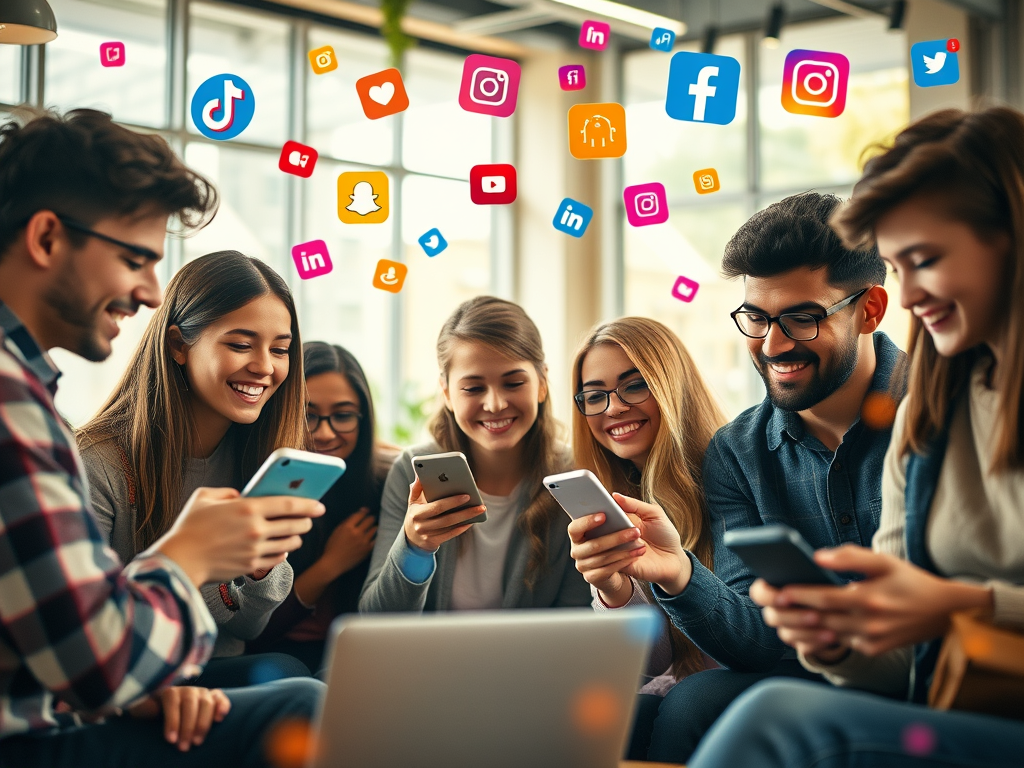
Instead of textbooks, or the typical, traditional resources, our new generation of students tend to turn to different social media platforms to learn, explore, and research. Some of these platforms are Tik Tok, Facebook, and Instagram. They like to get onto these sites to keep up with lifestyle trends, current events, and other topics that are more related to real world experiences.These platforms are fun, and provide a quick way to learn from one another. The visuals, graphics, and message is easy to obtain and follow. It can feel like you are gaining firsthand experiences and learning from others.
For example, high school students might search Tik Tok for videos that explain climate change, cooking, or anything else that they are interested in. Learners might see a video on sustainable living, and then decide to make their own to share with others. They might give tips, and advice, or ask for more opinions from others. For instance, high schoolers might follow accounts on Instagram where global cultures are discussed. Or, students can follow accounts of businesses that share real-world advice on starting a business, and learn to become entrepreneurs. They may get onto Facebook to join a group, or groups that talk about various topics. The group consists of people from all parts of the world that come together to share their experiences and insights.
An advantage is that social media offers the ability to learn from different perspectives, and different people. There are so many viewpoints that you can hear an endless amount, then use the information to form your own understanding. Having many viewpoints can help a learner develop a deeper understanding of hard subjects to follow, such as politics, and social justice. This also allows them to connect their learning to current events.
Another advantage is that these social media platforms create a way to have interactive learning. Information is not just given one-way, like a more traditional setting, but users can ask questions, and engage in conversations. Users can create their own content in response to what they have learned from a topic that they were researching. This supports active learning, and participation. Learners remember what they’ve learned, and can apply it to their real life.
I think using social media to learn and stay connected can be regarded as a new culture of learning because students are not only receiving information. Instead they seek out what they want to learn, and actively look for others that have had these experiences. They create their own ideas, and opinions. Therefore, they are creating their own content to what they have learned from the experience. Collaborative learning helps build critical thinking, creativity skills, and open communication. All of these things are important to today’s generation in a digital, fast changing world.
To sum it up, digital tools like Tik Tok, Instagram, and Facebook are used in many different ways that help students learn and grow on their unique journey. People use it to learn to engage interactively, have collaborative discussions, and obtain various viewpoints. Future generations use these platforms to stay social, be interactive, and self-directed. It is certainly a shift from the traditional learning environments from the past. This new approach is all about making connections to the real-world, and keeping it dynamic, so that it can fit to each learner’s personal needs.
 Jackie Bittner M.Ed.
Leave a comment