
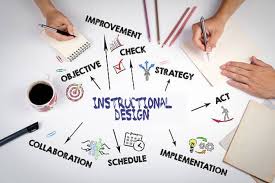
Instructional Design is the process of creating educational experiences to successfully deliver content that engages learners by having them achieve specific learning objectives. In order to do this, a course needs to be well designed with a structured framework, aligned with best practices, have technology capabilities, and engaging interaction. It takes the learner’s needs, clear goals, and instructional strategies into account. With this thoughtful combination, the instructional design can enhance students’ attention, improve their comprehension, and create a meaningful learning experience for those involved.

The instructional implementation design refers to a process of delivering and managing the instructional plan. It ensures the successful delivery of the learning outcomes. A well thought out plan allows learners to have effective, interactive, and aligned experiences to the educational goals. The design involves applying teaching strategies, adapting instructional methods, and utilizing various resources. Overall, the focus is to integrate technology, facilitate engagement, and assess student progress.

Usability and reflection focuses on evaluating how effective instructional materials, teaching strategies, and digital technology are used to support the learners’ experiences. This analysis is used to improve future practices by testing out the ease of use, accessibility of materials, and interactive student engagement to create a significant learning environment. The reflection piece of it involves analyzing outcomes, gathering feedback, and making adjustments to enhance instruction and learning. Combining these things allows educators to make refinements on their approach to have learner centered experiences be more impactful.

In summary, instructional course design ensures creating structured and engaging learning experiences, while instructional implementation design ensures effective delivery and adaptation of the learning environment to the students. Usability and reflection plays a key role in evaluating how well the instructional tools and strategies work together, and using the results to make continuous improvements. When all of these categories come together, the learning engagement is increased, and the overall learning outcomes will have obvious outcomes.
 Jackie Bittner M.Ed.