
Title: Why Should We Use Digital Tools in the Classroom?
Audience: Teachers of elementary school students between grades K-5.
Topic of Article: Benefits of using technology as a LMS, like Schoology, and other digital tools that support project based learning within a blended learning classroom that uses a flex model approach.
Where to submit publication:
Why: This website is a free resource of information that reaches out to those in the educational field that are interested in new ideas and how to use them in the classroom. It is a platform to share innovation plans, and ways to improve teaching, and learning for all that need guidance and support in what they do.
Why: This website covers a wide range of eLearning tips, or practices, and research based articles in K-12 education with a focus on innovation, and policy changes. It uses the peer review process, and evaluates many case study scenarios. This is a place that welcomes opinion pieces that share a variety of viewpoints.
Why: This website is a resource for K-12 educators that are in this profession to not only teach, but are still learning on their trade. It is a venue to share many tips and tools of teaching, and offers a platform where educators can openly discuss their innovation plans and ideas.
Connection to my Innovation Plan:
This topic is completely aligned with my innovation plan since I have proposed the importance of transitioning into a blended learning environment using a flex model approach to enhance learning for all learners that incorporates Schoology, project based learning, and guided instruction with the teacher.
How can this information help others?
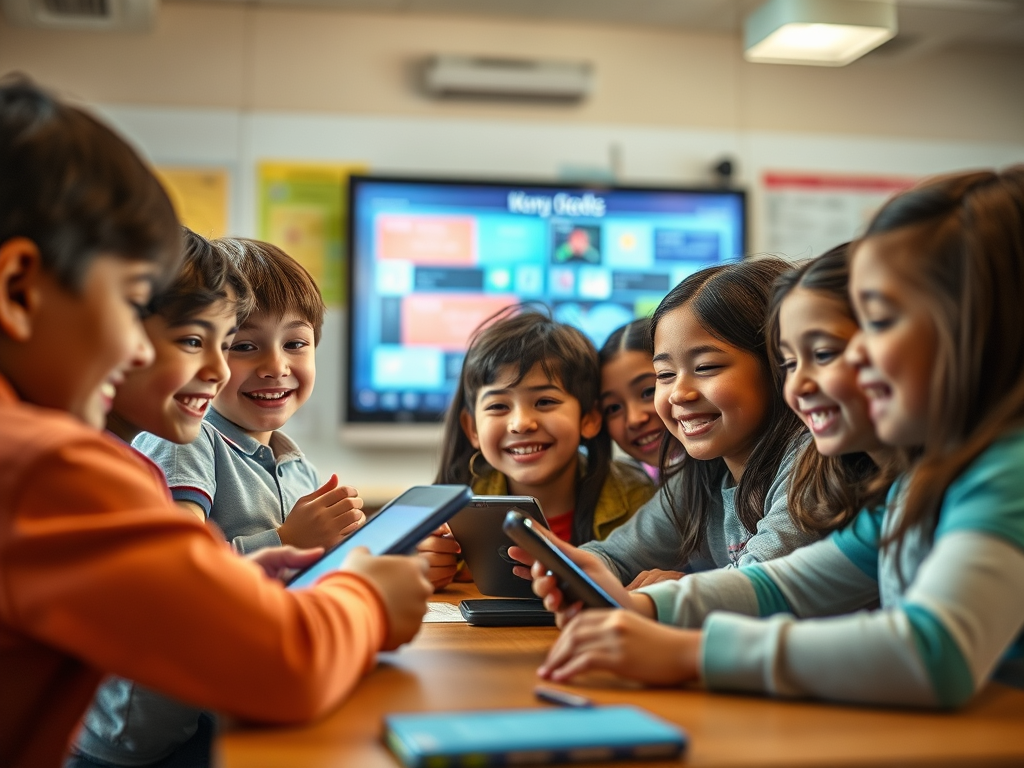
This information can help teachers provide digital tools in the classroom that will empower students to have an individualized learning journey that focuses on unique ways for them to explore, learn, and grow. It allows learners to use tools that aid in student understanding, collaboration, and differentiation. Basically, students will learn how to develop their problem solving, and critical thinking skills.
Introduction:
This publication will compose research on how various digital tools are implemented in the classroom to engage students by creating a significant learning environment that supports choice, ownership, voice, and authentic learning, known as COVA, where students can learn and grow at their own pace, place, path, and time. This learning environment has great ability to inspire students to tune into their creativity and unique ideas. It allows them to have more freedom to explore, be genuinely interested, and personally invested in what they are learning. They can see challenges as opportunities, and achievements are more about personal growth. This is about creating a love for learning that will surpass the classroom, and will last them a lifetime well into their futures.
Key Points and Concepts:
Learner focused – Creating a classroom environment that supports the unique desires and needs of a learner that allows them to incorporate digital tools to apply and show their understanding in various ways.
Personalized learning – Give students ways to personalize their learning or make it their own using COVA in a significant learning environment.
Flex model – Teaching and learning is flexible for all involved, and utilizes different types of technology. Students have more control over the pace, place, path, and time.
Collaboration – Encourages ways for students to receive feedback from the teacher or their peers. Also, tools that give students a platform to share their ideas, opinions, and questions.
Digital Resources included in article:
Design/Implementation Resources:
- Schoology: A learning management system that is used in a blended learning environment that keeps course materials organized, and tracks student progress. It allows an easy way to include multimedia, assignments, and assessments to support flexible learning and instruction.
- Google Classroom Tools: Google Docs, Slides, and Sheets are used with Google Drive for project based learning and group collaboration. This is great for teamwork and sharing. It is also used to receive feedback and manage editing in real-time.
- Khan Academy: This learning tool provides self paced lessons and resources for all subjects and grade levels. Students will have a chance to independently practice concepts and skills, and easily integrate within a flex model approach.
- Progress Learning: A platform that gives educators teaching tools and support in various subjects based off of the Texas Curriculum. Students will be able to fill in learning gaps, as well as work independently on concepts that they still need extra help in. They can have a personalized study plan that is tailored to the practice work that they are still needing. Teachers have access to immediate data and results, and can continue to guide the student through what they are learning.
Collaborative Resources:
- Padlet: Students can use this digital tool to post ideas, and share resources. Groups can collaborate, and brainstorm together in real time. This resource is great for answering questions, and researching topics.
- Flipgrid: This is a video based resource that students use to share their thoughts and ideas. They can also use it for creative expression, and peer response in collaborative projects that enhance learning.
- Google Jamboard: This tool allows teachers and students to brainstorm, share ideas, and collaborate using a digital whiteboard in real time. It is part of the Google collection of digital apps and can seamlessly interact with other brand related products. It has many writing and drawing features, such as pens, markers, sticky notes, and shapes. Visuals and documents can also be added to include a collaborative experience that makes it engaging and easy for users or learners.
Lessons Learned:
- Every student needs a personalized learning path, and one size does not fit all in this case.
- Every learner thrives the most in a culture of learning that is safe, supportive, and inclusive.
- Lifelong learning views mistakes as learning opportunities and utilizes a growth mindset.
- A learning journey should build up a learner’s confidence and resilience beyond the classroom setting.
- Self learning is at its maximum when learner’s are able to have collaboration, growth, and flexibility.
Conclusion/Communicated Message:
In today’s world, a blended learning environment with a flex model approach that supports the use of a LMS, like Schoology, and other digital tools for project based learning is essential in a significant learning environment that provides a personalized learning journey for every student. In order for teachers to support students and their diverse needs, integrating various digital tools is a necessity that allows student engagement, collaboration, and flexibility. In summary, this dynamic, student centered approach gives all learners the opportunity to collaborate with their peers, access online, educational tools, and work at their own pace using COVA to apply concepts learned to real world situations where they have gained critical thinking and problem solving skills.
Journal Publication Requirements for edutopia:
- Sentences that describe the intended audience for the article
- Sentences that describe the proposed article
- A detailed outline or description using about 850 – 1,000 words
- 80-word detailed bio about your role in education
- 3-5 links (if any) that you’ve written for academic publications
- Links to multimedia or other resources used
Journal Publication Requirements for eLearn Magazine:
- Original content, must not be published anywhere else
- Submission is an article, opinion, interview, or review
- Help the audience understand the issue
- Help the audience understand what is new, and important
- Emphasize the take away or purpose of the submission
- Build upon work that has been previously written, researched, or published
- Share different perspectives on the issue
Journal Publication Requirements for Teach Magazine
- Submit a story pitch, subscription, or general query (300 words maximum)
- Approach used should be pragmatic or How-to
- Topic should help teachers and offer support in their jobs
- Article must include 2-3 interview sources
- Article should be useful in everyday classroom
REFERENCES
Bittner, J. (2024). Literature review: Promoting student agency using a flex model of blended learning. Retrieved October 22, 2024, from https://jackiebittnerdesigner.com/literature-review/
Edutopia. (n.d.). Edutopia: Home. Retrieved October 22, 2024, from https://www.edutopia.org/
eLearn Magazine. (n.d.). eLearn Magazine. Retrieved October 22, 2024, from https://elearnmag.acm.org/
Harapnuik, D. (2018, July). COVA. https://www.harapnuik.org/?page_id=6991
Horn, M. B. & Staker, H. (2015). Blended, Using Disruptive Innovation to Improve Schools. Jossey-Bass. San Francisco, CA.
TeachMag. (n.d.). Teach Magazine. Retrieved October 23, 2024, from https://teachmag.com/
 Jackie Bittner M.Ed.